
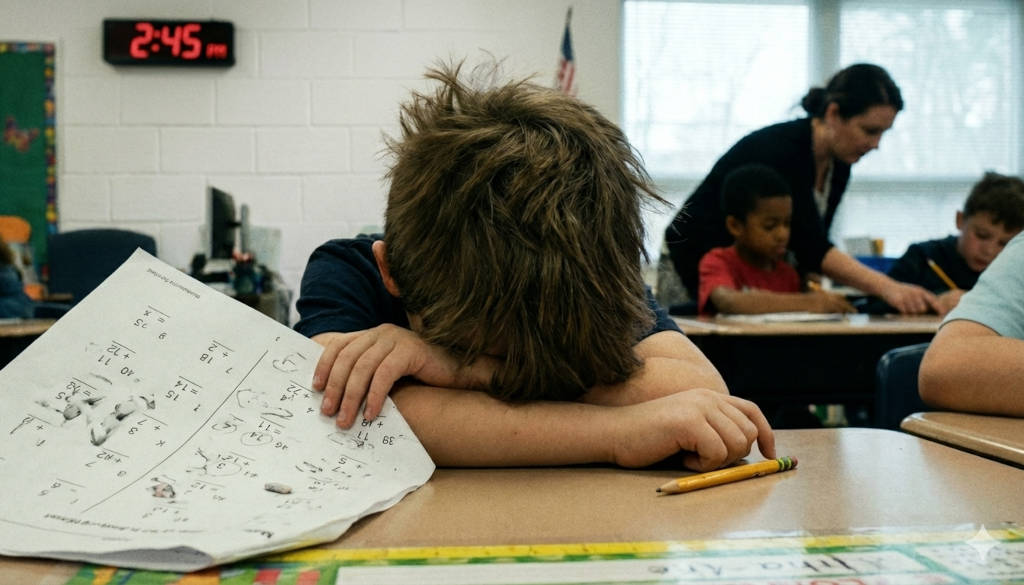
Primary school is a time of enormous change. Children are learning not just to read, write and work with numbers, but also how to manage friendships, routines, emotions and expectations outside the home. It’s very common for parents to feel unsure about what’s “normal” and when to seek extra help for your child.
If you’ve found yourself worrying quietly, questioning your instincts, or wondering whether you should wait things out, this guide is for you. It’s designed to offer reassurance, clarity and gentle direction — without pressure or judgement.
Am I just being paranoid about my child?
This is one of the most common worries parents of primary-aged children share. Young children develop at very different rates, and it can be hard to know whether a difficulty is just a phase or something more.
However, parents are often the first to notice when something doesn’t feel right. You may see emotional exhaustion after school, resistance to homework, or growing anxiety around lessons that once felt manageable. These observations matter, even if they’re hard to explain.
Being alert to your child’s needs doesn’t mean you’re being overly anxious. It means you’re tuned in. When concerns are persistent rather than occasional, they’re worth exploring with curiosity rather than dismissing.
Admitting there may be a problem at school
Many parents find this step surprisingly emotional. There can be feelings of guilt, fear about labels, or worries about what it might mean for your child’s future.
Primary-aged children often try very hard to “be good” at school, even when they’re struggling. This can lead to a mismatch between what school reports suggest and what you see at home. Tearfulness, anger, avoidance or exhaustion after school are common signs that a child is holding things together during the day.
Admitting there may be a problem doesn’t mean something is seriously wrong. It simply allows space to understand your child better and respond with the right kind of support.
Addressing the problem with the school
Talking to school can feel intimidating, especially if you’re unsure how your concerns will be received. It’s often helpful to approach these conversations as shared problem-solving rather than seeking immediate solutions.
When speaking with your child’s teacher, or the school’s Special Educational Needs and Disabilities Co-ordinator (SENDCo), focus on specific observations. Describe what learning or school life looks like at home and ask how your child manages in the classroom. Teachers may not see the same difficulties, particularly if your child is quiet or compliant.
It’s also reasonable to ask how your child is progressing against age-related expectations and whether any additional support has already been tried.
What to do when school don’t appear to be listening
Sometimes parents leave meetings feeling reassured, yet nothing really changes. If your child continues to struggle, this can be disheartening and confusing.
If this happens, you may need to gently persist. Following conversations up in writing, requesting (further) involvement from the SENDCo, or asking for concerns to be reviewed over time can all help keep momentum. Keeping a simple record of what you’re seeing at home can also be useful.
You are not being pushy by asking questions or seeking clarity. You are advocating for your child during some of their most formative years.
Where else you can go for help
Support for primary-aged children doesn’t have to come solely from school. Many families find reassurance and clarity by speaking with professionals outside the classroom.
This might include private tutors, educational psychologists, therapists, or family support services. Sometimes even a single assessment or consultation can help parents understand whether a difficulty is developmental, emotional, or learning-related.
Early guidance often prevents small concerns from growing into bigger ones later on. For excellent emotional and practical support for parents exploring additional needs, see the Contact website.
I suspect my child may have additional needs. What should I do?
Many parents begin with a vague sense that something feels different, long before they have any clear language for it. You might notice that your child struggles more than peers with attention, communication, emotional regulation, or certain areas of learning. It’s completely natural to feel unsure, worried, or even conflicted about what these observations might mean.
The most important thing to know is that suspecting additional needs is not the same as diagnosing. At primary school age, children are still developing rapidly, and many traits overlap with typical development. However, noticing patterns early can be incredibly helpful.
A gentle first step is to gather information. Pay attention to what your child finds hard, when difficulties tend to arise, and what helps them cope. You don’t need a long or formal record — just enough to notice whether concerns are consistent over time.
You may then wish to:
- Speak with your child’s class teacher or SENDCo to share your observations
- Ask whether similar patterns are seen in school
- Enquire about any short-term support or monitoring that could be put in place
If concerns continue, external professionals such as an educational psychologist or speech and language therapist can help clarify whether your child may have additional needs such as autism, ADHD, dyslexia, or other learning differences.
Importantly, recognising possible additional needs is not about limiting your child or lowering expectations. It’s about understanding how they learn and experience the world, so adults can respond in ways that reduce stress and build confidence. Many children flourish once the right support is in place, often with a huge sense of relief.
If you’re unsure where to begin, remember that you don’t have to take every step at once. Even small actions can bring clarity, reassurance and a sense of direction. You can also check out the SENDIASS (Special Educational Needs and Disabilities Information Advice and Support Service) for further information.
How a tutor can help with the academic side of things
For primary-aged children, tuition is about far more than catching up with schoolwork. The right tutor can support learning and confidence at the same time. Benefits of tuition may include:
- Identifying early gaps in reading, writing or maths before they widen
- Teaching concepts in a way that matches your child’s learning style
- Slowing learning down so your child feels secure rather than rushed
- Rebuilding confidence after repeated struggles or setbacks
- Reducing anxiety around homework and tests
- Providing positive, individual attention without classroom pressure
- Helping children feel proud of their progress again
For many children, academic support leads to emotional relief, because learning no longer feels overwhelming. If you would like more information, please read our page about Choosing a Tutor or click here to find out more about our tuition services.
When to go to the doctor
If concerns extend beyond learning into emotional or physical wellbeing, speaking to your GP can be a sensible step. This may be appropriate if you notice ongoing anxiety, frequent tummy aches or headaches, sleep difficulties, or significant changes in behaviour.
For clear guidance on anxiety, emotional wellbeing and when to seek GP support, the NHS offer invaluable information.
You don’t need to be certain that something is wrong to seek medical advice. A doctor can offer reassurance, suggest strategies, or make referrals if needed.
Tips on addressing social problems at primary school
Friendship difficulties are very common in primary school and can be deeply upsetting for young children. They’re also an area where gentle adult support can make a big difference.
Helpful approaches include:
- Encouraging your child to talk without rushing to fix things
- Naming and validating feelings, even when problems seem small
- Practising social scenarios through play or role play
- Working with school to understand what happens at break times
Children often need time, guidance and reassurance as they learn to navigate friendships.
Other signs it may be time to seek extra help
You may want to consider additional support if your child’s confidence is steadily dropping, school mornings become increasingly stressful, or learning struggles begin to affect family life.
Early support during the primary years can be particularly powerful. Children are still forming beliefs about themselves as learners — and the right help can protect self-esteem as well as skills.
When to seek extra help for your child: a final word of reassurance for parents
If you’re asking when to seek extra help for your child, you’re already doing something important. Primary school is not about pushing children to meet arbitrary milestones. It’s about helping them feel safe, capable and supported as they grow.
You are not overreacting. You are paying attention. And support, when needed, can make a lasting positive difference.


